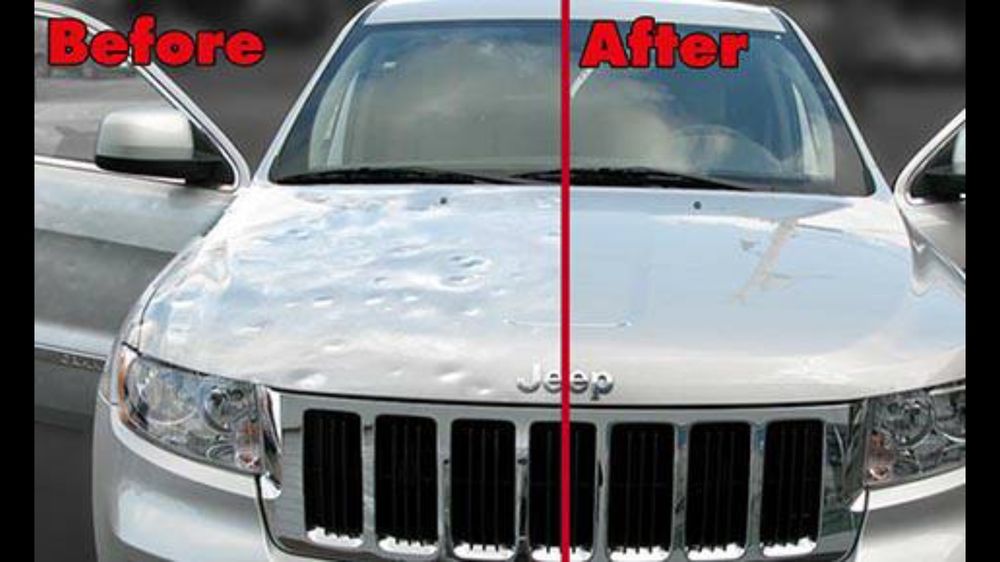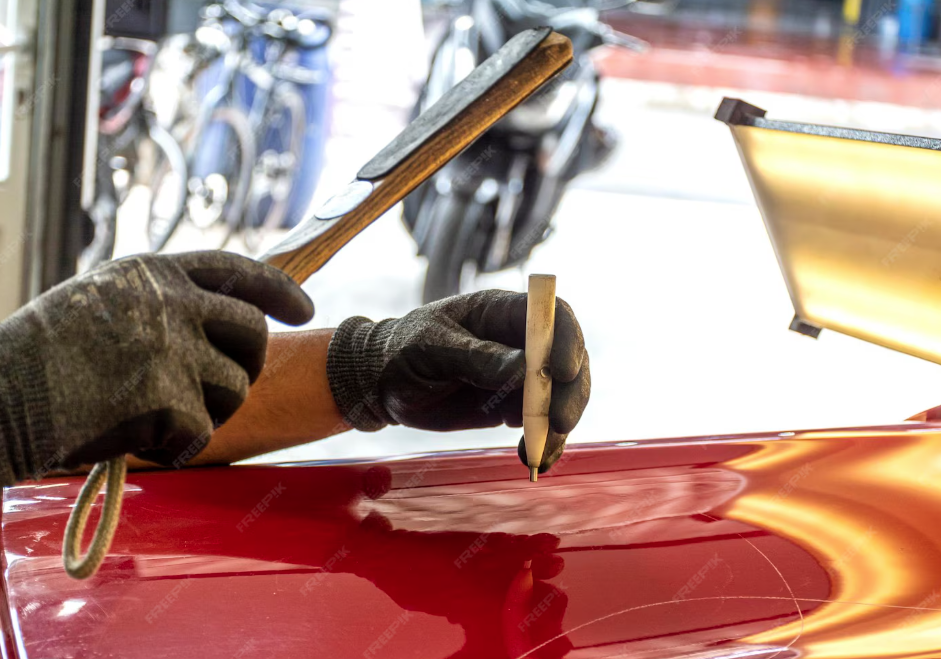
Earlier this spring, after one of Houston’s notorious hailstorms swept through Cypress and Katy, a local auto body shop thought they were ready. The phones rang for a week, then suddenly—silence. Why? Their website wasn’t showing up when desperate car owners searched “hail damage repair Houston.” Instead, nearby competitors in Pasadena and Sugar Land scooped up the bulk of insurance-driven repair jobs, leaving the shop scrambling.
Within three weeks, they had already lost more than $25,000 worth of repair estimates—all because their online presence wasn’t visible when customers needed them most. Fixing the SEO gaps later took months, meaning they missed out on an entire hail season.
This is the reality for many Houston repair shops: if you’re not on page one when the storm hits, you’re invisible. In this article, we’ll share proven strategies for SEO for auto hail repair in Houston—so your shop never misses another hail season.
Why SEO Matters for Auto Hail Repair in Houston
Houston is one of the most hail-prone cities in the U.S., with storm damage costing Texas drivers more than $474 million in claims annually (Insurance Council of Texas, 2023). After each storm, homeowners immediately search online for “hail repair near me.”
But here’s the catch: Houston’s market is extremely competitive. Shops in Katy, Sugar Land, The Heights, and Cypress are already investing in SEO, bidding on Google Ads, and optimizing for local search.
For hail repair shops, missing out on SEO means missing out on high-ticket repair jobs, which often range from $1,500–$5,000 per vehicle. With hailstorms clustered seasonally (spring and early summer), being visible online isn’t optional—it’s survival.
👉 If your shop isn’t prepared before hail season hits, you’ll be watching competitors cash in on the very leads you should own.
Local Keyword Targeting – The Engine Behind SEO
The right keywords bring the right customers. In hail repair, urgency is everything. Houston drivers type searches like:
-
“hail damage car repair Houston”
-
“paintless dent repair Cypress”
-
“auto hail repair Sugar Land”
-
“emergency hail damage fix Pasadena”
Using geo-modifiers tied to neighborhoods helps capture local intent. Tools like SEMrush and Google Keyword Planner reveal high-volume phrases, while competitor research shows what’s already working.
A smart strategy is to build location-specific landing pages for hail repair—e.g., “Hail Damage Repair Katy” or “Auto Hail Repair in The Heights.” This ensures coverage across Houston’s sprawling metro.
👉 Imagine being the first shop homeowners see when they type “hail repair near me” the morning after a storm—that’s the power of targeted keywords.
Google Business Profile Optimization
During hail season, Google Maps is ground zero. Most drivers don’t scroll—they pick from the top three listings.
To maximize visibility:
-
Ensure NAP consistency across all directories.
-
Add photos of real hail-damaged vehicles before/after repair.
-
Post time-sensitive updates like “Now accepting hail damage claims in Cypress.”
-
Collect reviews that mention “hail repair” and “insurance claims.”
Google confirms that relevance, proximity, and prominence drive Maps rankings (Business Profile Help). In Houston, proximity to dense areas like Katy or The Heights can be decisive.
👉 An optimized profile could mean dozens of extra leads every time hail strikes—without spending a dime on ads.
On-Page SEO That Converts
Your hail repair website should be optimized for both search engines and customers.
Best practices include:
-
Title tags: “Auto Hail Repair Houston – Fast Paintless Dent Repair”
-
Service pages for paintless dent repair, insurance claims, and emergency hail repair.
-
FAQs like “How long does hail repair take in Houston?”
-
Schema markup for auto body shop.
Local context matters. Houston’s humid weather often complicates paint jobs, so mentioning processes like paintless dent repair (PDR) builds authority. Including pricing ranges ($1,500–$5,000 typical hail repair) also sets realistic expectations.
👉 Your site should answer every customer question before they even call.
Building Trust With Reviews & Reputation
Hail repair often involves insurance, and customers are nervous about quality and timelines. Reviews make the difference.
According to Moz, reviews are a major local ranking factor, and 85% of consumers trust online reviews as much as personal recommendations (Moz Local Ranking Study, 2024).
Houston shops can:
-
Request reviews specifically mentioning hail damage repair.
-
Showcase testimonials from neighborhoods like Sugar Land and Katy.
-
Display certifications (I-CAR Gold Class, BBB accreditation).
-
Transparently note repair timelines (most hail jobs: 3–10 days).
👉 Each review not only builds trust with new customers—it also boosts your visibility during hail season.
Backlinks & Local Partnerships
To stand out, hail repair shops need authority signals through backlinks.
Ideas include:
-
Writing guest posts for local Houston auto blogs.
-
Sponsoring weather-tracking community events.
-
Partnering with insurance agents in Pasadena or Cypress.
-
Getting listed in Houston-specific business directories.
An Ahrefs study shows that websites with strong backlink profiles dominate Google search results. For hail repair shops, local relevance is key—links from Houston-based organizations carry more weight than generic sites.
👉 Every backlink you earn is another vote of trust, pushing your shop higher in search.
Paid Ads vs. SEO – Which Wins in Hail Season?
When storms hit, timing is everything. Paid ads can deliver immediate visibility, while SEO sustains long-term rankings.
-
Google Ads: $8–$20 cost-per-click in Houston for “hail repair” terms (WordStream PPC data). Ideal for urgent leads.
-
SEO: Builds trust and organic rankings that keep working after the storm passes.
For hail repair shops, the best approach is both: run ads immediately post-storm while SEO builds long-term dominance.
👉 The shops that win in Houston hail season use ads to capture urgency and SEO to secure long-term authority.
Tracking ROI – Measuring Your Hail Repair SEO Success
With high-ticket jobs, tracking ROI is crucial. Use:
-
Call tracking (CallRail) to measure leads from SEO pages.
-
Google Analytics to track “auto hail repair” page traffic.
-
Search Console for keyword visibility.
Example: A shop in Sugar Land tracked calls after a hailstorm and discovered that 70% of leads came from their “paintless dent repair Houston” page. By optimizing that page further, they doubled conversions the next month.
👉 If you don’t measure, you’ll never know which strategies actually fill your bays.
Secure Your Spot Before the Next Storm
In Houston neighborhoods like Katy, Sugar Land, Pasadena, Cypress, and The Heights, hailstorms are inevitable. The question is whether your shop will capture the flood of repair jobs—or watch them go to competitors.
By implementing SEO for auto hail repair—targeted keywords, optimized Google Business Profiles, trust-building reviews, quality backlinks, and ROI tracking—you can position your shop as the go-to choice when storms hit.
Don’t wait until the next hailstorm to realize your shop is invisible online. The time to prepare is now.
👉 Ready to dominate Houston’s hail season? Book a free consultation today and make sure the next storm fills your bays instead of your competitors’.